
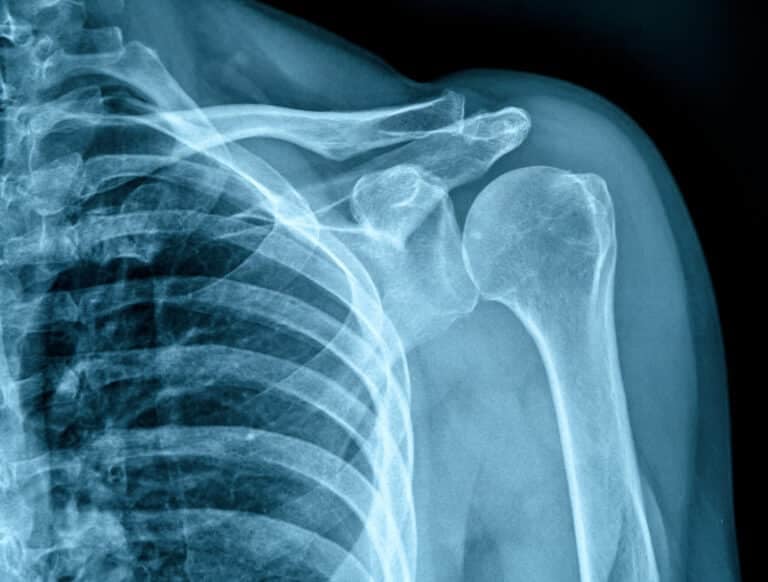
A normal X-ray after a car accident can be useful information without fully explaining ongoing pain. X-rays show bones well but provide limited detail about many soft tissues. Your clinician interprets the result alongside the injury history, examination, and how symptoms change. Persistent pain does not automatically mean a missed injury or a need for MRI.
The next useful question is specific: “What did this test assess, and what should we do if my symptoms continue?” That question helps turn a reassuring result into a clear follow-up plan.
What a normal X-ray does and does not answer
Bone X-rays can help identify fractures, dislocations, and other structural findings. Some injuries or soft-tissue problems may require a different method of assessment. RadiologyInfo, produced by radiology professional organizations, describes these strengths and limits. Read the bone X-ray overview.
The wording of the report also matters. “No acute fracture” answers a particular question; it is not the same as a complete explanation of pain. Ask the treating clinician to explain the actual report and whether it matches the area and symptoms being evaluated.
A normal result does not prove that nothing is wrong. It also does not prove that hidden damage exists. Both conclusions go beyond what the image alone establishes.
Three pieces of the follow-up picture
Musculoskeletal evaluation can combine the injury story, examination, and selected tests. NIAMS describes that approach in its injury guidance. Although its page concerns sports injuries, the general principle is useful here: test selection should answer the clinical question raised by the assessment. See NIAMS on injury diagnosis.
| Part of the assessment | What it can contribute | A useful question |
|---|---|---|
| Your history | Where pain began, the impact or movement involved, and what has changed. | Have I described the activity or symptom that concerns me most? |
| The examination | Findings about movement, tenderness, strength, sensation, and function as appropriate. | What did the examination help clarify? |
| Imaging or other tests | Information directed at a suspected problem. | Would another test change the next clinical decision? |
This is a discussion guide, not a way to decide which scan to request. The appropriate next step might involve monitoring, a revised examination, additional testing, referral, or a change in the care plan.
What to report if you still hurt
Before a follow-up, write down the location of pain, the tasks it affects, and whether the pattern is improving, stable, or worsening. Include new swelling, numbness, weakness, or a change in how you walk or use an arm. Do not reproduce a painful movement repeatedly just to make your notes more detailed.
For example, “My wrist still hurts in one spot when I use my hand” raises a different question from “I have generalized soreness that is steadily improving.” These are illustrative descriptions, not diagnoses or patient cases.
Bring the radiology report and the location where the images were taken. Ask whether the treating team can access the actual images if needed. Tell them about any instructions already given, such as a brace, activity restriction, or planned recheck. A new clinician needs the previous plan as well as the result.
When to seek earlier help
Severe or worsening symptoms, marked swelling, inability to use a limb normally, or new loss of sensation deserve prompt medical advice. After a crash, an obvious deformity, major bleeding, breathing difficulty, or an immediately dangerous change requires emergency evaluation. Do not wait for a routine appointment simply because an earlier X-ray was normal. NIAMS lists injury features that need medical attention.
Follow the discharge instructions from your original assessment. They may identify a specific reason to return sooner. If the instructions are unclear, contact the treating team rather than using an article to create your own waiting period.
Ask for the next decision, not a predetermined scan
Useful follow-up questions include:
- What is the current working explanation for my symptoms?
- What findings would change that explanation?
- What activities are appropriate while the problem is being reassessed?
- When should I return, and which changes mean I should call sooner?
- If another test is proposed, what decision would its result help make?
More testing is not automatically better care, and no particular modality is required for every painful area after a collision. The value of a test depends on the question it can answer.
Continue the conversation with Momentum
Our injury services can be discussed as part of an appropriate follow-up plan. Bring your reports, instructions, and symptom notes. Call (844) 664-7246 with routine appointment questions. For the separate issue of symptoms that emerge later, read delayed pain after a car accident.
Prepared by Momentum Medical for patient education using the sources linked above. A normal imaging result, symptom description, or online checklist cannot independently establish or exclude an injury.
Featured image: Illustrative stock radiograph. © Elena Sistaliuk / Adobe Stock.